August 25, 2026
Hardwood lumber begins its journey long before it reaches a workshop, cabinet shop, or building site. The process starts in managed forests, where trees are evaluated for species, maturity, quality, and long-term sustainability. From there, logs move through harvesting, grading, sawing, drying, surfacing, and inspection. Each stage affects the appearance, stability, strength, and usability of the final board. Decisions such as how a log is cut or how moisture is removed can influence whether a board remains straight or develops defects. Because hardwood species vary in density, grain, color, and drying behavior, processors must understand the material at every step. Following the path from standing tree to finished product shows why quality boards require more than simply cutting wood to size. Skilled milling, moisture control, and quality checks help turn raw timber into dependable material for many uses.
Selecting Suitable Trees
The process begins with selecting trees that are appropriate for harvest. Foresters and timber professionals consider species, diameter, age, straightness, visible defects, and the condition of the surrounding stand. They may also consider how removing particular trees will affect regeneration, access, and future forest health. Responsible harvesting involves choosing timber in a way that supports production needs and continued forest growth.
Regional forest composition also shapes what species are available to mills and buyers. According to Ohio Southeast Economic Development, hardwood species make up as much as 97% of Ohio’s forests. Areas with abundant oak, maple, cherry, walnut, hickory, and other hardwoods can support a diverse wood-products industry. Once suitable trees are identified and marked, harvesting plans account for safe access, equipment movement, and methods that limit unnecessary disturbance to vegetation and soil.
Harvesting Selected Timber
After trees are selected, logging crews fell them and remove them from the forest. The goal is to bring usable logs to a landing area while minimizing damage that could reduce their value. Crews use equipment suited to terrain and stand conditions. Trees are typically delimbed and cut into log lengths that match mill requirements. Careful bucking matters because these cuts can determine how much high-value wood is recovered.
Once the logs reach the landing, they may be sorted by species, diameter, length, and visible quality before transport. Protecting log ends and avoiding unnecessary impact damage can help preserve usable material. The logs are then loaded onto trucks and delivered to a sawmill. Efficient handling matters because stain, checking, insect activity, and other deterioration can reduce quality if timber remains exposed too long under unfavorable conditions.
Grading Incoming Logs
At the sawmill, incoming logs are evaluated before they are cut. Mill personnel examine diameter, sweep, knots, cracks, rot, stain, and other visible characteristics that may affect recovery. They also identify the species and consider which products are most suitable for each log. A straight, large-diameter log with few defects may yield wider, clearer boards, while a smaller or more irregular log may be directed toward narrower stock.
Log grading helps mills decide how to process their inventory. Because every log is different, operators balance grade recovery, board width, saw kerf, customer demand, and the natural shape of the log. This planning reduces waste while increasing the likelihood that the most valuable sections become useful hardwood lumber.
Sawing Logs Into Boards
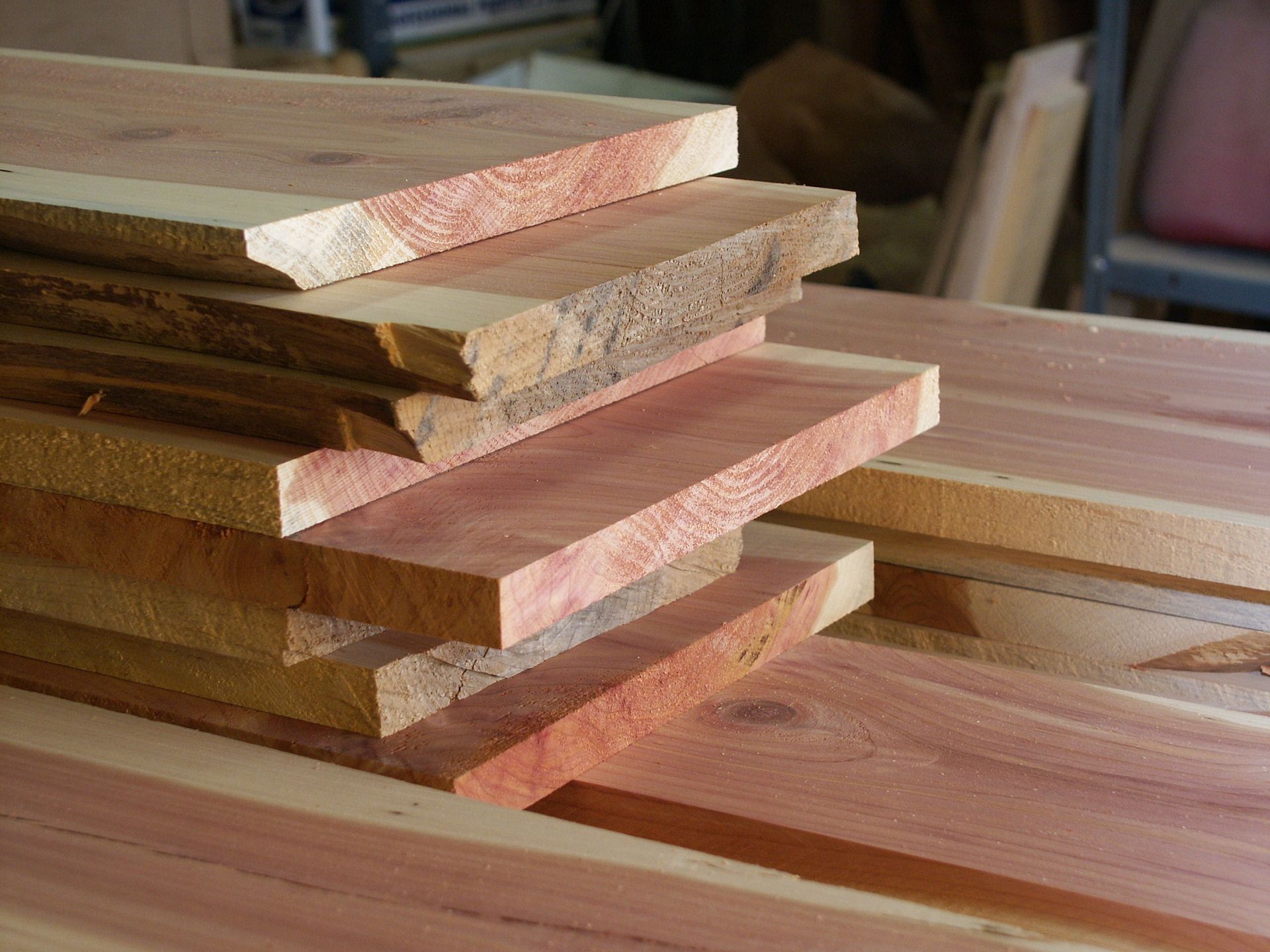
Sawing transforms round logs into rough boards. The first cuts typically establish a flat surface, after which the log can be rotated and opened from different sides. Mills may use band saws, circular head rigs, resaws, or combinations of equipment. The sawing pattern depends on the log, desired dimensions, and targeted characteristics. Plain sawing is common for efficient yield, while quarter sawing and rift sawing may be chosen for particular grain patterns.
During this stage, operators account for defects and decide where each cut will produce the greatest usable value. Boards may come off the saw larger than their final target because material will be lost during drying and surfacing. Freshly sawn hardwood lumber contains substantial moisture, so it usually cannot move directly into finished applications. Before final machining, the boards need to be stacked and dried in a controlled manner.
Drying Freshly Sawn Boards
Drying is one of the most important stages because wood changes dimension as moisture leaves its cellular structure. Fresh boards are typically stacked with narrow spacers, often called stickers, between layers so air can circulate. Proper stacking also helps keep the load flat and supported. Some material may air-dry first, while other stock moves into a kiln. The schedule depends on species, thickness, moisture content, climate, and quality goals.
Kiln drying uses controlled temperature, humidity, and airflow to lower moisture content gradually. If the process is too aggressive, boards may check, split, warp, honeycomb, or develop internal stresses. If drying is too slow or uneven, staining and other problems can occur. Skilled operators monitor conditions and adjust schedules to suit the material. Properly dried hardwood lumber is more dimensionally stable and better prepared for machining, installation, finishing, and long-term indoor use.
Grading Dried Boards
Once drying is complete, boards are examined again because defects that were not obvious in the green state may become more noticeable. Graders look at knots, splits, wane, checks, stain, warp, and the amount of clear wood available for cutting. Hardwood grading systems generally focus on the usable clear-cutting yield that can be obtained from a board rather than simply judging overall appearance. This helps manufacturers select grades that match specific production needs.
Grading creates consistency for buyers who need material suited to particular applications. A furniture manufacturer may prioritize clear sections, while another operation may use shorter or narrower pieces efficiently. Proper grading helps connect boards with suitable markets and reduces waste. It also gives customers a more predictable understanding of what they are purchasing when they order hardwood lumber by species, thickness, and grade.
Surfacing Rough Boards
Rough-sawn boards are often surfaced after drying to create smoother, more uniform material. Planers remove small amounts from the faces, while edging equipment can straighten sides and remove wane or irregular sections. Depending on how the material will be sold, boards may remain rough, be surfaced on two sides, or be machined to more precise dimensions. The amount removed must be managed carefully so the finished thickness meets expectations without sacrificing more wood than necessary.
Surfacing also makes grain, color, and hidden defects easier to see. A smooth board can be evaluated more accurately for figure, consistency, and suitability for a particular project. At this point, hardwood lumber may be sorted again by width, length, grade, color, or customer specification. Some mills also provide ripping, crosscutting, straight-line edging, or other processing so customers receive stock that requires less preparation.
Inspecting Finished Material
Before boards are bundled or shipped, mills typically perform final inspections to confirm that the material meets required specifications. Staff may check thickness, width, moisture content, grade, surface quality, and general condition. Boards that do not meet the intended standard can be resorted, remanufactured, or directed to another product category. This final review helps maintain consistency and reduces the chance that unsuitable material reaches a customer.
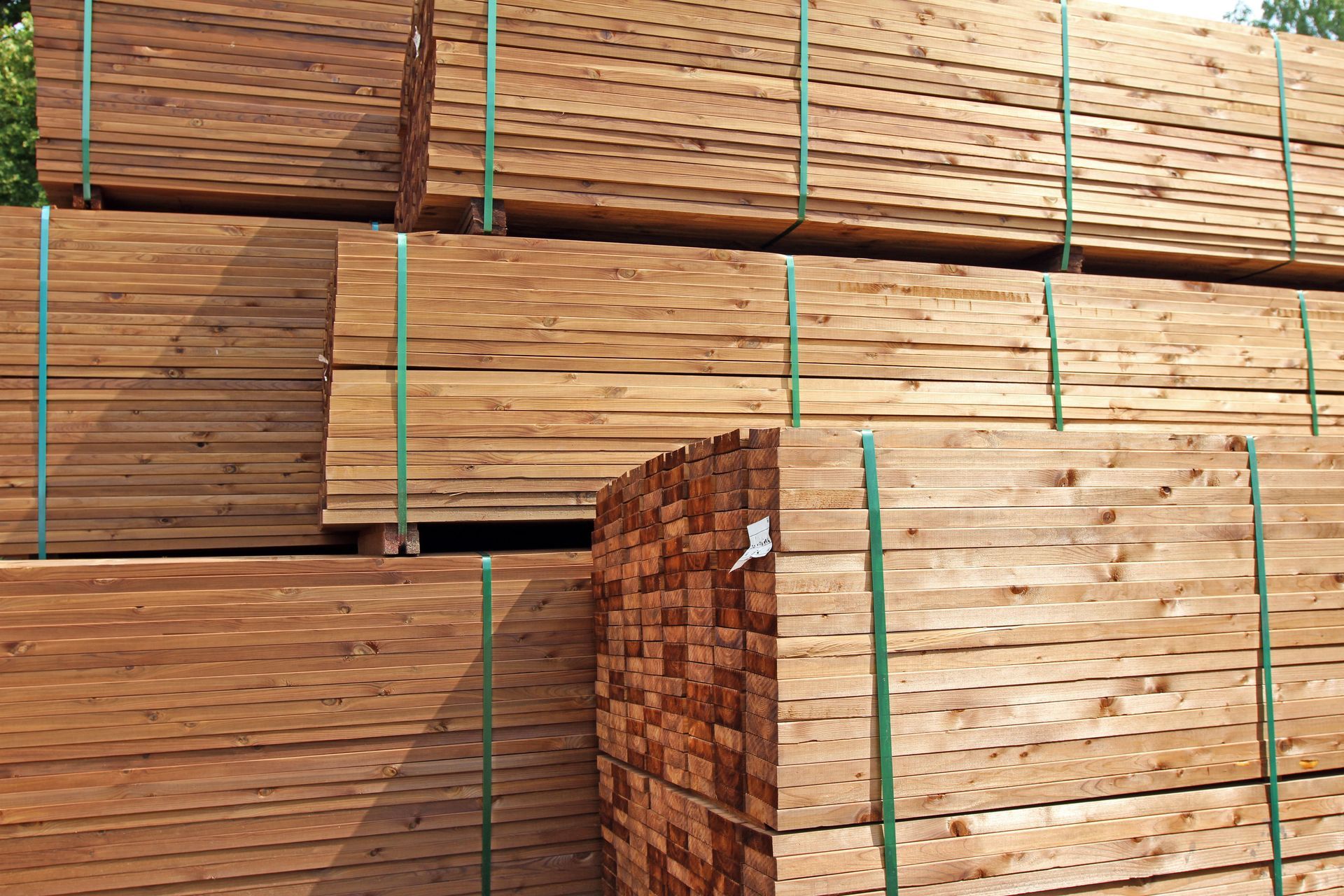
Proper storage and handling remain important even after processing is complete. Finished boards should be protected from moisture swings, weather exposure, and conditions that could cause staining or distortion. Bundles are organized for inventory control and transportation, then shipped to manufacturers, builders, retailers, or other wood users. By the time the material reaches the customer, it has passed through multiple stages designed to protect quality and maximize the useful value of the original tree.
The journey from forest to finished board combines resource management, skilled harvesting, careful sawing, controlled drying, grading, machining, and final inspection. Every step influences how well the wood performs once it becomes flooring, cabinetry, furniture, millwork, or another finished product. Quality hardwood lumber is the result of many coordinated decisions rather than a single milling operation. Understanding that process can help buyers appreciate differences in grade, moisture content, dimensions, and finish while making more informed material choices. For dependable hardwood lumber backed by experienced processing and attention to quality, contact Zeyer Lumber.